- umkm
- engineering
- mvp
- e-commerce
Digital Transformation for MSMEs in Indonesia: A 2026 Guide
A practical guide to MSME digital transformation in Indonesia: operational priorities, QRIS, lightweight data, and a staged MVP roadmap for 2026.
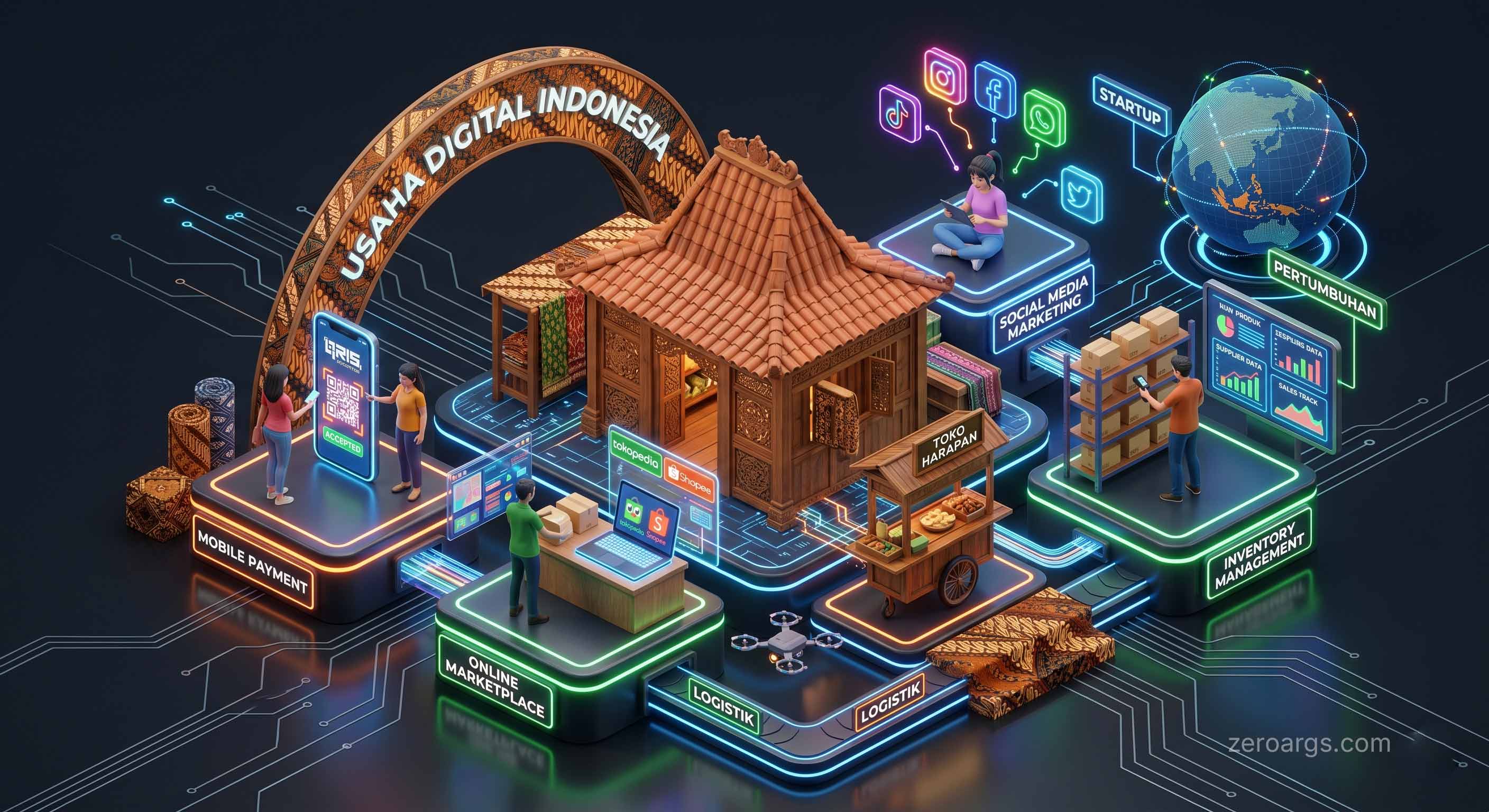
Across Indonesia — from regional hubs like Nganjuk, Kediri, and Surabaya to major metros — small-business owners already sell through Instagram or TikTok. That first step matters. But when the conversation shifts to digital transformation for MSMEs in 2026, the bar rises beyond viral posts: you need operational foundations — traceable cash flow, inventory that matches reality, and a consistent customer journey from chat to payment.
This article lays out priorities that make sense for Indonesian MSMEs — the same product-minded approach we use when building digital products for clients: start from real problems, avoid over-engineering, and measure impact before adding complexity.
1. "Online" Is Not the Same as Digitized
Most MSMEs are already online via social media and marketplaces. Being digitized means decisions are backed by operational data you can audit — how many orders were actually paid, margin by sales channel, and how much stock can ship tomorrow.
Without this layer, teams rely on memory, chat screenshots, and spreadsheets that drift apart. Digital transformation discussions then drift toward expensive software subscriptions that never reach full adoption. Start with a crisp definition: your digitization today means reducing manual errors across orders, payments, and fulfillment — not buying an enterprise analytics suite on day one.
2. Prioritize by Cash and Reputation Impact
Before debating vendor brands, rank functions by immediate impact on cash and trust:
| Priority | Focus | Why this first |
|---|---|---|
| High | Order confirmation & payment | Fewer wrong shipments and chat disputes |
| High | Stock & basic SKUs | Avoid overselling and complaints |
| Medium | Shipping & tracking numbers | Fewer repeated "where is my package?" messages |
| Medium | Simple customer profiles | Remember preferences without a heavy CRM |
| Low (early) | Advanced marketing automation | Useful once operations are stable |
This ordering answers the classic question: where do we start? In short — start where you lose money or trust most often.
3. Payments and Trust: QRIS, Virtual Accounts, and Reconciliation
Indonesian customers expect to pay with QRIS, virtual-account bank transfers, or e-wallets such as GoPay, OVO, DANA, and ShopeePay. For MSMEs, the hard part is not offering many methods — it is matching incoming payments to orders without mixing personal accounts with business funds.
Practical steps:
- Separate business banking or use official business payment features so monthly reconciliation is not a guessing game.
- Standardize proof of payment: buyer name, amount, and date — even with WhatsApp Business quick replies.
- Track payment status in one source of truth — a central spreadsheet, a simple POS app, or a lightweight order system — so the team is not arguing over which version is correct.
Payment gateways such as Midtrans or Xendit make sense when volume is high and you need less manual work; in early stages, process discipline often beats a complex API integration.
4. Lightweight Operational Data Beats an Unused ERP
You do not need a full ERP to start measuring the business. Begin with minimum viable metrics you can trust:
- Daily or weekly revenue by channel (physical store, marketplace, social).
- Gross margin on a handful of hero SKUs — the minority of products that drive most revenue.
- Lead time from order to hand-off to couriers such as JNE, J&T, SiCepat, AnterAja, or on-demand services like GoSend and GrabExpress.
Keep these numbers in one controlled place — even a shared spreadsheet — and agree who may edit them. Inconsistent numbers usually come from unclear ownership, not missing software.
5. Omnichannel: Integrate Progressively, Do Not Duplicate Work
Omnichannel is often misread as "sell everywhere at once." Healthy omnichannel reduces customer friction without doubling internal workload.
A phased approach:
- One primary order workflow; marketplaces can be additional channels, but stock must stay consistent.
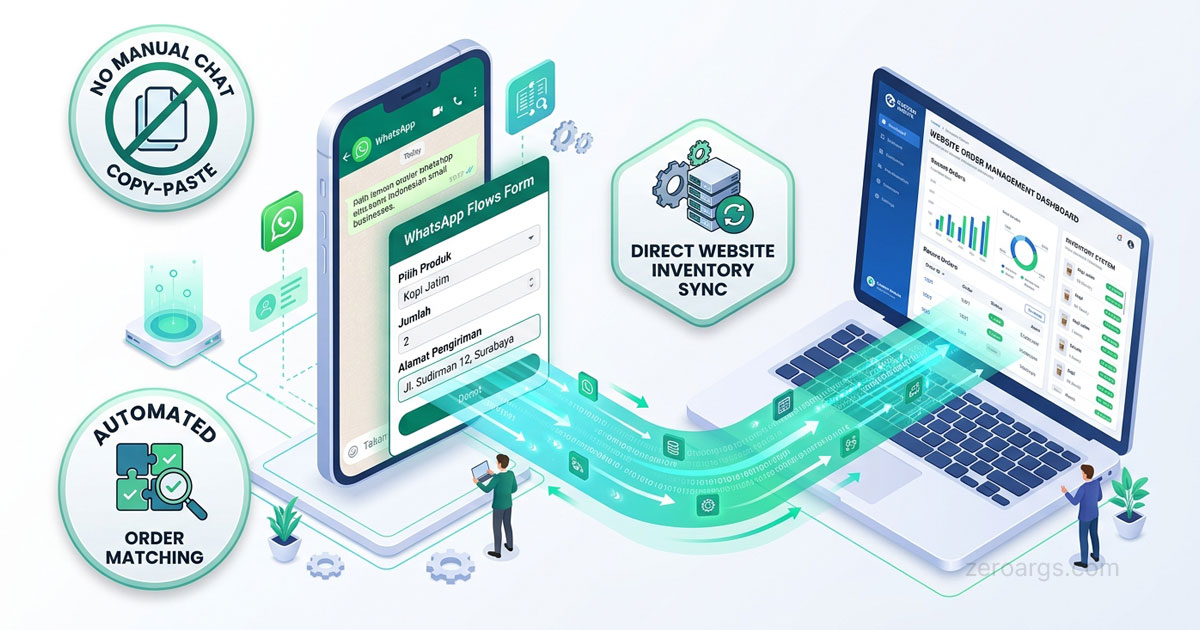
- WhatsApp Business as the communication hub: catalog, quick replies, and order labels — avoid five overlapping personal accounts.
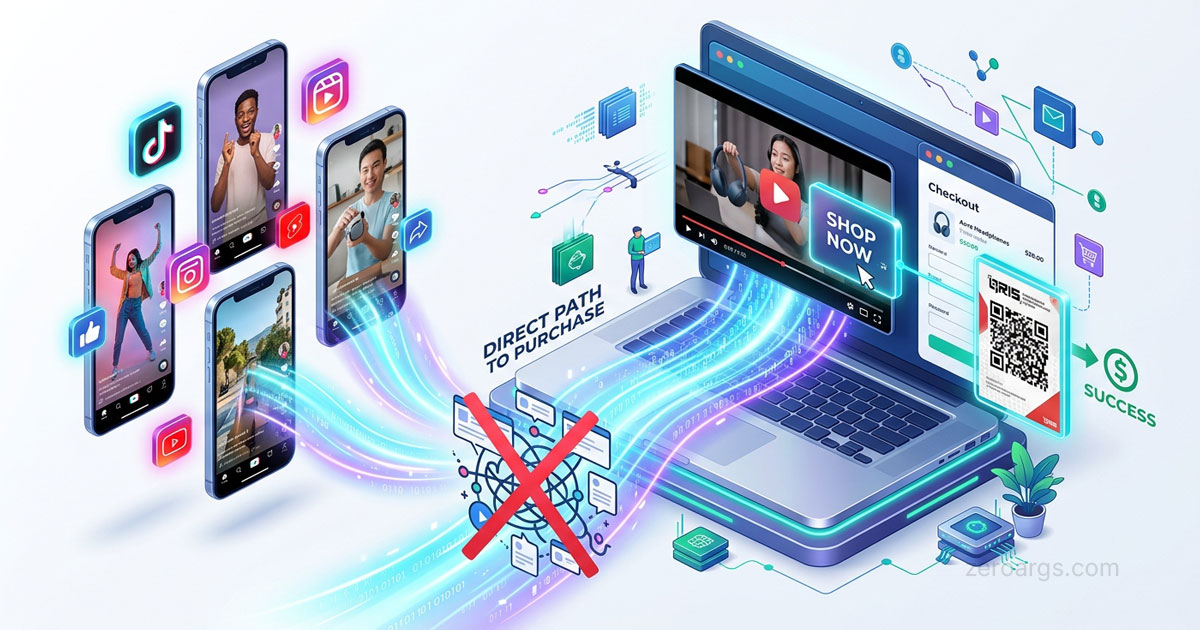
- Choose Tokopedia, Shopee, TikTok Shop, or Instagram Shop based on product fit and logistics capacity — not because every competitor opened a store there.
For MSMEs, omnichannel success means the same order journey even when customers arrive from different channels — not maximizing channel count.
6. Data Security and Baseline Compliance (Indonesia's Personal Data Protection Law)
The more customer data you store — addresses, phone numbers, purchase history — the more responsibility you have to protect it. Indonesia's Personal Data Protection Law (UU PDP) pushes businesses to collect only what they need, store it safely, and avoid sharing it without a proper basis.
Realistic steps for MSMEs:
- Least-privilege access: only staff who need customer data can see it.
- Regular backups for critical order records — business cloud or drive, not a single phone that can be lost.
- Deletion workflows when customers ask — especially if you run newsletters or lead forms.
This does not require a fifty-page legal memo on day one; it requires operational discipline that simple systems and vendor contracts can support.
7. An MVP Roadmap for MSME Digital Transformation
Here is an MVP-style roadmap that often fits short iterations — similar to how product teams validate hypotheses:
- Weeks 1–2: single order flow + basic payment reconciliation.
- Weeks 3–4: stock for priority SKUs + shipping templates and courier hand-off.
- Month two: a weekly owner report — even from a spreadsheet — with consistent definitions.
- After stability: consider payment integrations, notification automation, or a small loyalty touchpoint for repeat buyers.
If the next phase includes a new digital product, align technology choices with team capacity — see our guide on how to choose a tech stack for startups.
Each step should show impact: fewer admin hours, fewer complaints, or higher repeat purchases.
Conclusion
Digital transformation for MSMEs in 2026 does not have to begin with the most expensive platform or consultant jargon. It begins with operations that are honest about numbers and customers. With the right priorities — payments, inventory, and consistent communication — small businesses in Indonesia can level up without losing the agility that makes them competitive.
If you want help designing a website, mobile app, or payment and order integration that fits your team and budget, we can map a roadmap you can execute in stages — starting with our website development hub for East Java.