- engineering
- mvp
- ai
- startup
AI Integration for Business Apps: Practical Indonesia Guide
AI integration for business apps in Indonesia: architecture patterns, PDP Law basics, operating costs, and an MVP roadmap for safer, measurable AI features.
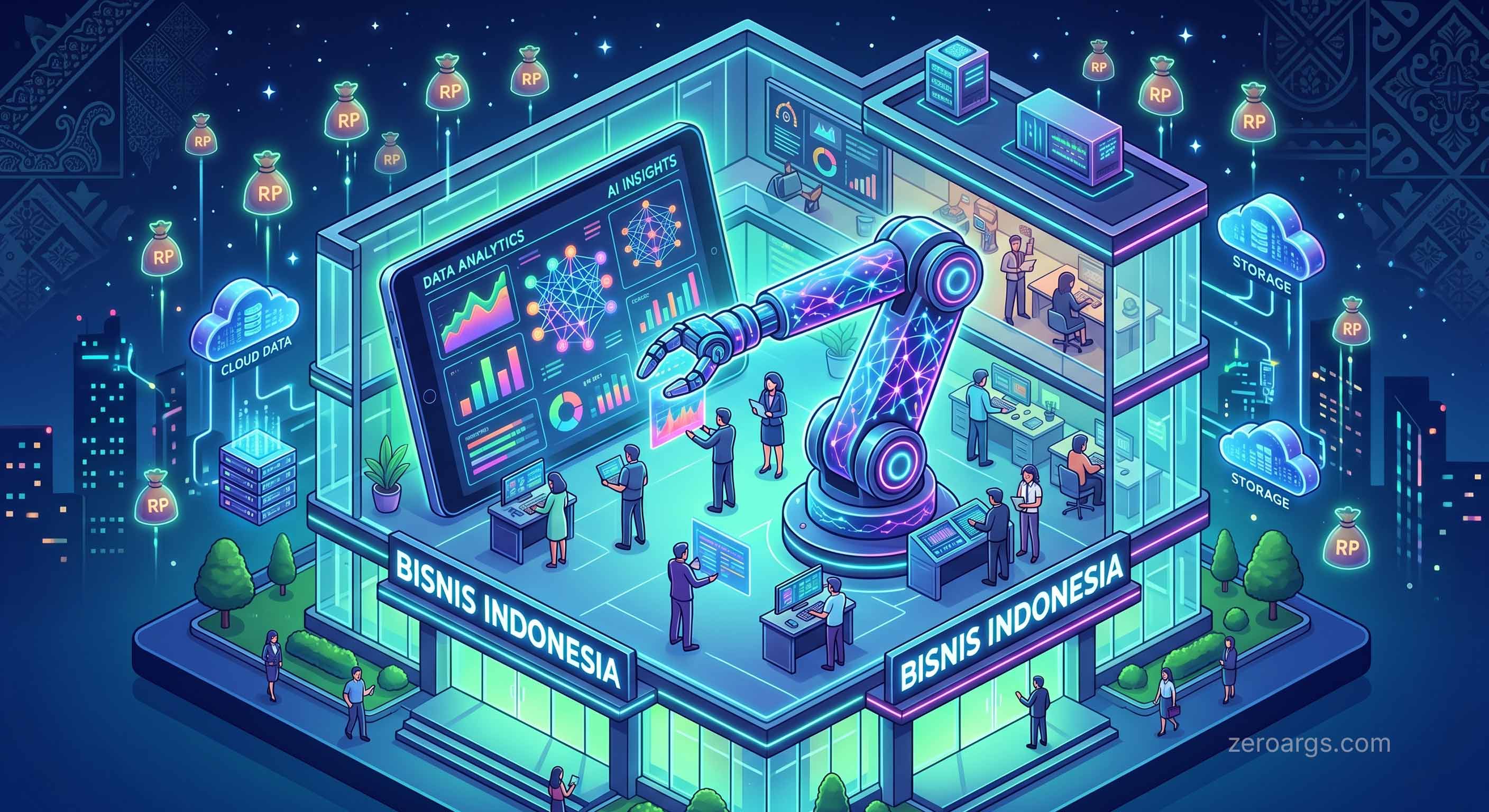
AI integration for business apps shows up in almost every product conversation in 2026. Business owners see opportunities to accelerate customer service, summarize documents, or support operations teams. Engineering leads worry about runaway API spend, data leakage, and “AI” features that ship as demos without moving KPIs.
This article answers the practical questions we hear when helping startups and larger SMBs in Indonesia: when AI integration is justified, how to design it alongside local regulations, and what to build before debating the newest foundation model.
1. Start from Workflows, Not Model Names
Before choosing a provider or opening SDK docs, write one crisp sentence: which operational problem are you trying to shrink? “Reduce time spent answering repeated WhatsApp questions” differs from “give every department a writing copilot.” Both can use AI, but data scope, risk, and success metrics diverge.
That decision also determines whether you need a generative chat surface or whether lightweight text classification plus approved reply templates is enough. Many products reach value faster with business rules plus a small model than with an open-ended language assistant. If you are still tightening digital foundations, our guide on digital transformation for MSMEs in Indonesia helps align operational priorities before adding complexity.
2. Data, Indonesia’s PDP Law, and Boundaries to Decide Early
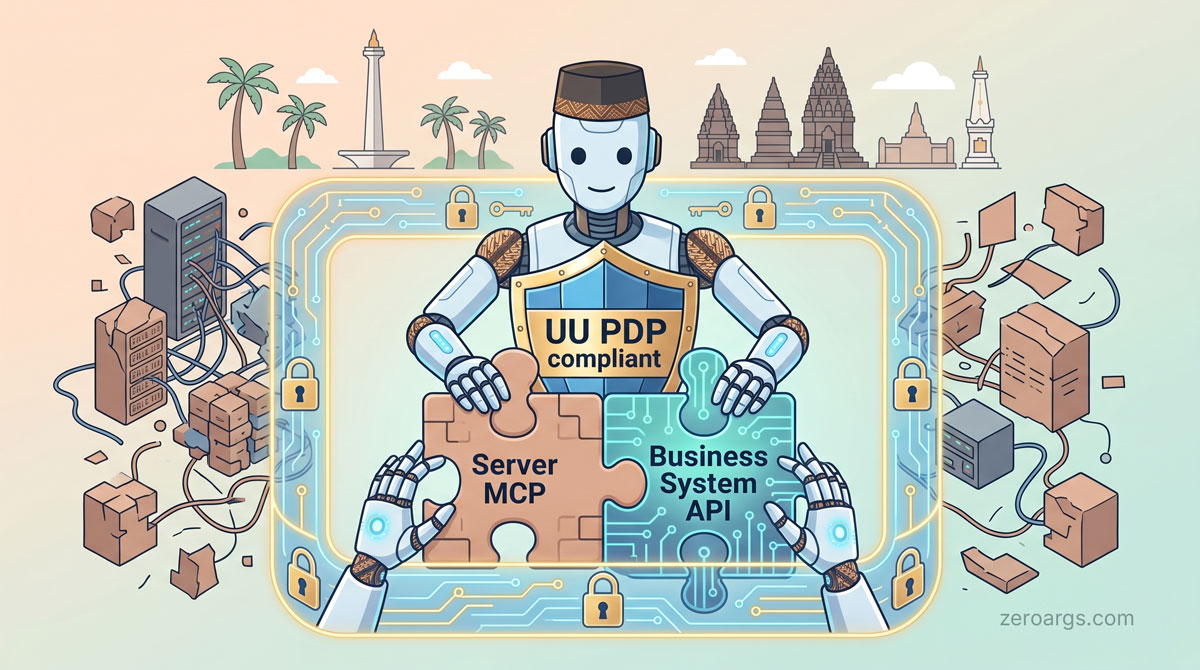
Indonesia’s personal data protection framework expects minimal collection, clear processing purposes, and controlled access to customer data. When conversation logs or internal documents are sent to third-party AI services, you are not merely shipping a feature — you are extending both attack surface and processing chain.
Planning steps we commonly recommend:
- Data inventory: which categories may enter an AI pipeline (for example public FAQs) versus what must stay in closed databases (bank details, sensitive conversations).
- Environment separation: store embeddings or summaries separately from raw content where feasible; encrypt every API call in transit.
- Retention policy: how long inference logs live, who may view them, and how deletion works when users request it.
Establishing these habits is cheaper before launch. After AI integration for business apps reaches real traffic, retrofitting governance becomes expensive.
3. AI Integration Patterns That Fit the MVP Stage
Three patterns recur in stable products:
| Pattern | Fits when | Main upside | Risk to manage |
|---|---|---|---|
| Direct model API | Low request volume, rapid prototyping | Simple to implement | Token costs scale nonlinearly; weak domain grounding |
| RAG (retrieval-augmented generation) | You have curated knowledge (FAQs, SOPs, product manuals) | Answers align better with internal facts | Quality depends on source docs and update discipline |
| Classification plus rule flows | Most tickets map to a handful of issue classes | Lower latency and auditable behavior | Less flexible for wide-open questions |
In many Indonesian contexts, combining intent classification for common cases with RAG for answers grounded in official documents balances cost and measurable user experience better than a fully open chat mode.
Evaluation should be continuous, not a one-time benchmark. Keep a small golden set of real questions — anonymized — and rerun them whenever you change prompts, retrieval settings, or providers. Regression here is cheaper than discovering quality drift only after customers complain on social channels.
4. Cost, Latency, and Real-World UX
Inference cost is not only price per million tokens. Budget for retries, timeouts, and fallback when external providers degrade — common during peak hours. A clear fallback (“we cannot complete this request right now; please contact our team”) beats an empty response or a confident hallucination.
For mobile apps serving users across cities, network latency still matters. Longer contexts sent to models increase both bill and wait time. Splitting large requests into smaller steps often improves reliability without sacrificing perceived quality.
5. Sensible MVP Steps versus Features That Can Wait
A realistic sequence when you integrate AI into a website or business application:
- Ticket summarization for human agents — not full automation on day one.
- Suggested replies based on legally approved templates — not unconstrained answers for every complaint type.
- Semantic search across a help center before you add multi-turn dialog.
By contrast, features such as fully automated legal contracts or unsupervised credit decisions demand tighter risk controls and often involve compliance beyond engineering alone. How your stack supports iteration still matters; see how to choose a tech stack for startups to avoid stacking AI on top of structural technical debt.
6. Observability: Measure Impact, Not Just “We Use AI”
Strong product teams track first-contact resolution, median response time, and human escalation rate — not only token consumption. Without those metrics, AI integration for business apps becomes a slick demo that never changes operations.
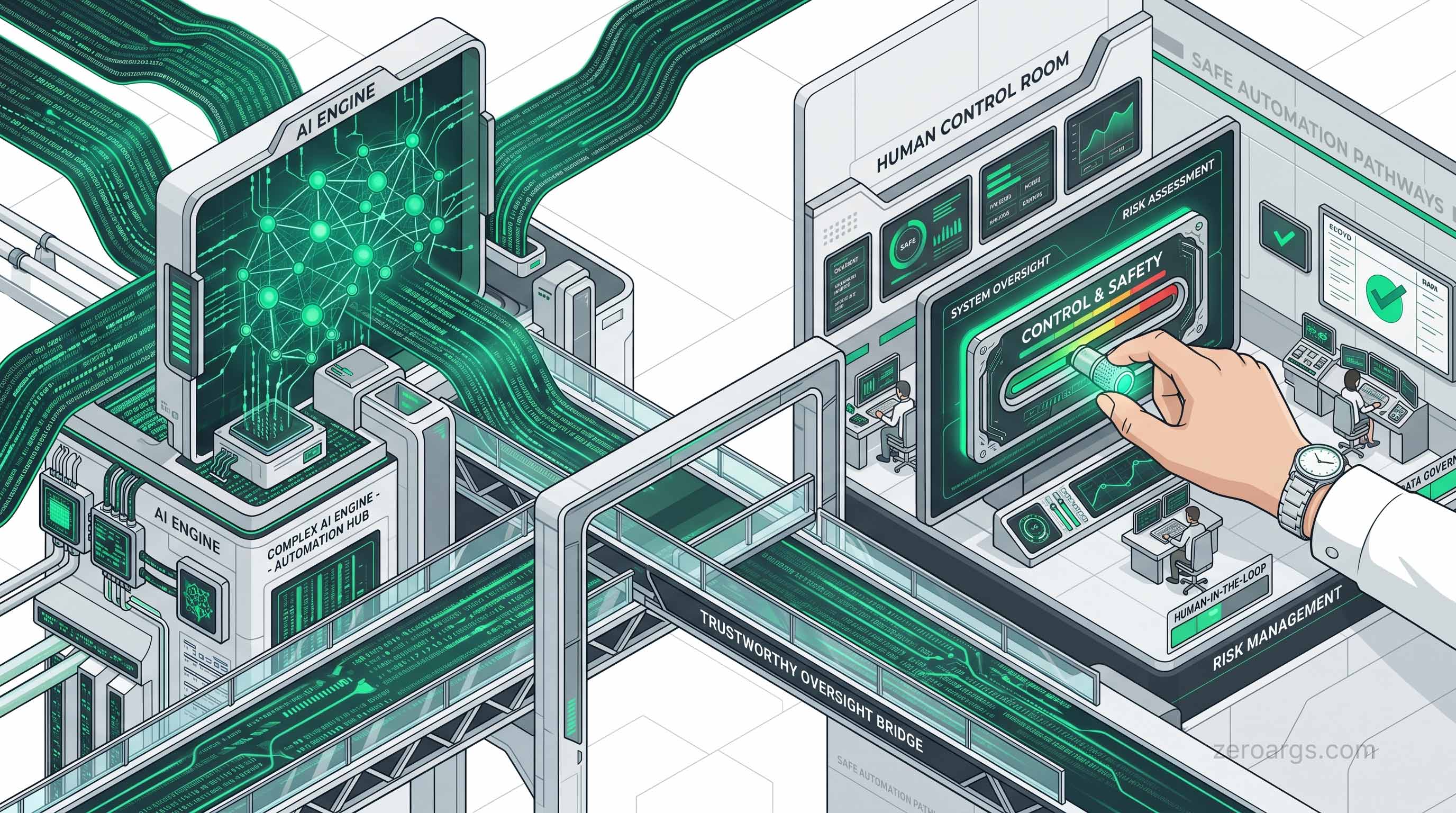
Design logging from the start: who can view inference data, how long it is retained, and how internal auditors trace decisions after mistakes. That posture matches rising governance expectations, including for teams handling payments through channels such as QRIS and major e-wallets.
Conclusion
AI integration for business apps succeeds when it starts from measurable problems, clear data policy, and patterns that fit scale — not from chasing the latest model leaderboard. In Indonesia, pairing privacy discipline with rapid product iteration is a competitive advantage: you can explain to customers and regulators how your system behaves, not only that it “uses AI.”
If you are planning intelligent features on a website or application — from help centers to internal workflows — we help design architectures that match your team’s reality. Start a conversation with your business context, expected traffic, and compliance constraints; from there we can discuss an MVP worth shipping this month, not next year.