- engineering
- umkm
- e-commerce
- mvp
WhatsApp Business API: Practical Integration Guide for Indonesia
WhatsApp Business API for Indonesia: when to leave the free app, UU PDP, conversation costs, and safe order messaging patterns you can measure.
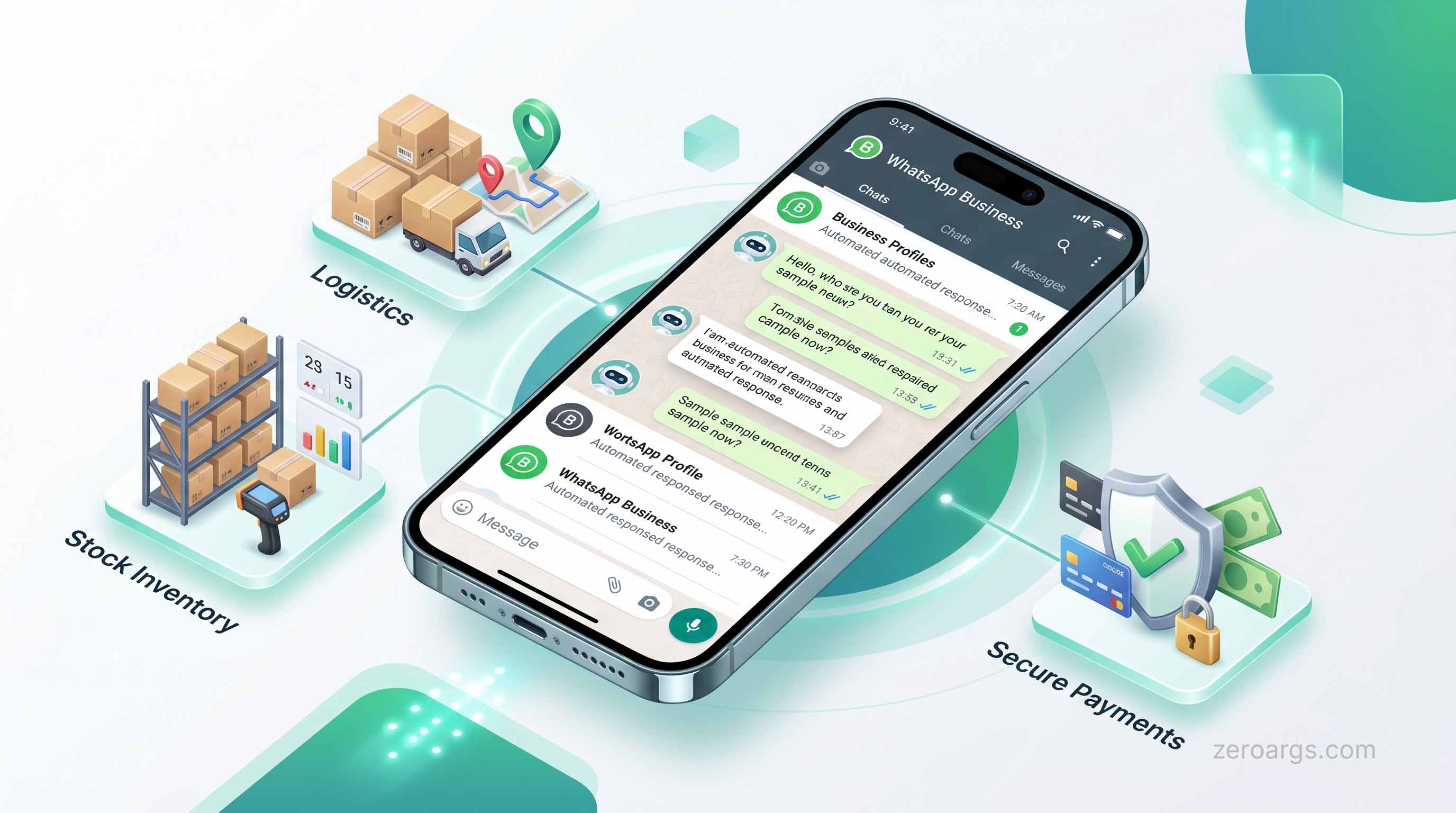
WhatsApp Business API usually shows up on the roadmap once sales or support teams can no longer keep pace with repetitive chats: stock checks, payment proofs, and delivery status requests. In Indonesia, WhatsApp-first customer journeys are the default — great for conversion, painful to scale when everything stays manual. This article explains when an official integration makes sense, how it differs from the consumer WhatsApp Business app, and how to design it with sensible data practices under Indonesia's privacy framework.
If you are still tightening core operations, the priority stack in our digital transformation guide for Indonesian MSMEs still applies: stabilize payments and orders before you automate customer-facing channels.
1. When the free WhatsApp Business app becomes a bottleneck
The mobile WhatsApp Business app is enough when one or two people can cover the inbox. Signs you need a more structured channel tend to accumulate quietly:
- One phone number spans multiple roles — marketing, finance, and warehouse traffic collide in a single thread list.
- No audit trail — it is unclear who promised what, or whether an order was matched to an incoming transfer.
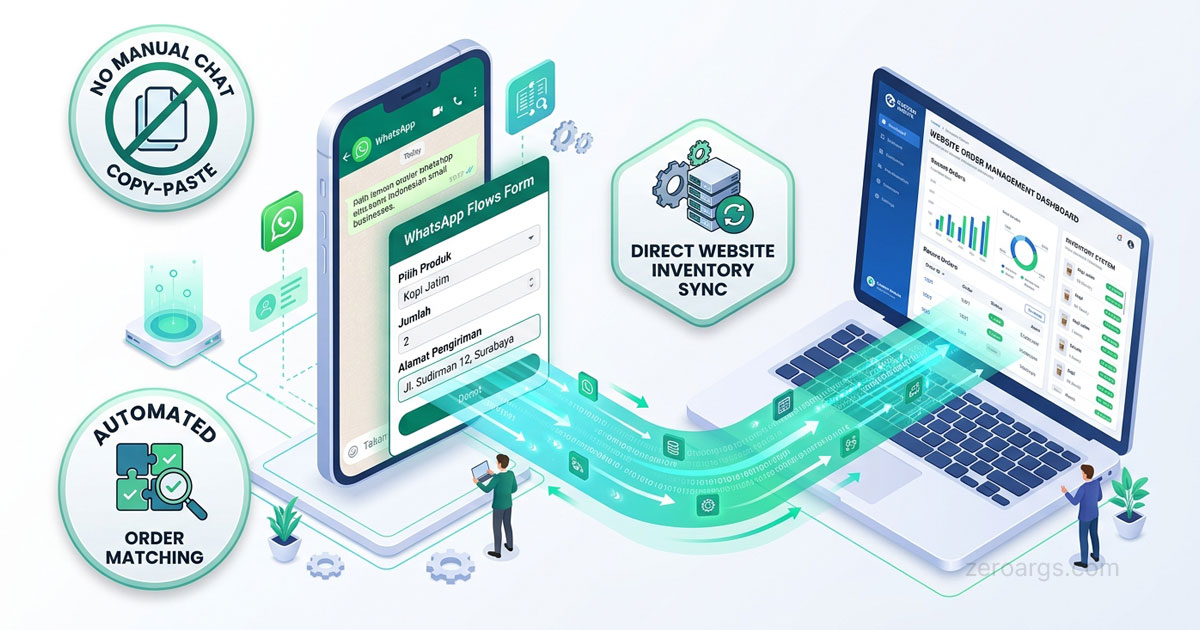
- High-friction repetition — SKU details, shipping addresses, and opening hours are retyped dozens of times a day.
- Spreadsheet or POS handoffs force risky copy-paste for amounts and addresses.
At that point the constraint is not motivation; it is communication architecture without queues, roles, and business rules. The WhatsApp Business Platform (including Cloud API) adds webhooks, approved message templates, and backend integration — and introduces conversation pricing, compliance work, and infrastructure dependency.
2. WhatsApp Business API layers: app, Business Platform, and Cloud API
Keep the layers distinct so engineering and finance do not talk past each other:
| Layer | What it is | Choose it when |
|---|---|---|
| WhatsApp Business App | Free mobile app with a lightweight catalog and quick replies | Low volume, a tiny team, no backend automation |
| WhatsApp Business Platform | Meta’s business product on a verified business number, including Cloud API options | You accept per-conversation costs and can operate webhooks responsibly |
| Cloud API | HTTPS access to the platform — your servers or a BSP partner call Meta endpoints | You want faster rollout without self-hosting the legacy on-prem API stack |
In practice, the API is not a magic plugin; it is an HTTP contract between your systems and WhatsApp. Every inbound and outbound message needs deliberate design: token rotation, retries, idempotency, and delivery status handling.
If you already know the free app is no longer enough and want to see the implementation scope we typically deliver, review our WhatsApp Business API service — then continue with the workflow section below to confirm your order foundation is ready.
3. Priority workflow: from chat to auditable orders
Before you pick a BSP or write webhook code, document one vertical slice you want to improve. A pattern that works well in Indonesia looks like this:
- Customer expresses intent — free text or a lightweight SKU picker linked from a catalog page.
- System confirms availability and totals — including rough shipping when it matters.
- Payment handoff — a hosted checkout link, or standardized instructions for QRIS, virtual accounts, or major e-wallets your team already reconciles daily.
- Status updates — “paid”, “packed”, “tracking sent”, each triggering consistent notifications.
Here WhatsApp is only the conversation layer; money and inventory remain authoritative in your systems. That mirrors the reconciliation emphasis in the MSME digital transformation guide: if the source of truth is messy, APIs simply scale the mess.
4. Data compliance: UU PDP, message logs, and third parties
Customer chat integrations expand your personal-data processing surface. Indonesia's Personal Data Protection Law (UU PDP) pushes product decisions that are practical, not theoretical:
- Minimize what you persist from chats; do not pipe sensitive transcripts into analytics stacks that do not need them.
- Clarify purposes — for example customer service versus re-marketing.
- Control retention for webhook logs: how long they live, who can access them, and how deletion requests are honored.
If you later add intelligent features on top of conversation archives, the architecture discussion in practical AI integration for business apps applies — language models should not see more data than your operational policies already allow.
5. Costs, BSPs, and operational reality
WhatsApp Business Platform pricing is conversation-based with categories that Meta adjusts over time. Monthly estimates depend on:
- Service versus marketing conversation mix.
- How often you rely on template messages to start conversations outside the customer-care window.
- Whether you route through a BSP that adds service margin, or build in-house capability on Cloud API.
A finance-friendly mitigation is a cost-per-order conversation budget — if a typical order needs three automated updates, does margin still hold? That question matters more than which web framework you prefer.
6. Common technical integration patterns
Two patterns show up repeatedly in stable builds:
| Pattern | Core idea | When to pick it |
|---|---|---|
| Work queue + human agents | Inbound messages become tickets in an internal panel; replies go out via API | You still need human judgment, but want assignment and basic SLA |
| Backend orchestration | Your order system triggers status messages through approved templates | Logistics and payments are already digital in your database |
Both require idempotency — webhook retries must not duplicate orders — and webhook signature verification so public endpoints cannot be spoofed. If you also sell through marketplaces, decide how WhatsApp stays a relationship channel without duplicating stock truth; our article on why Indonesian SMEs still need a website beyond marketplaces explains why owning channels and first-party context still matters strategically.
7. Policy risk: spam, template quality, and number reputation
Aggressive automation — especially cold template blasts — can degrade your number quality and violate platform rules. Safer habits:
- Explicit opt-in before promotional templates; separate post-purchase care from offer broadcasts.
- Pilot on a loyal segment before full rollout.
- Watch block and spam-report signals; slow upward drift is an early warning.
Treat API access as a privilege that can be revoked if user harm is perceived. Strong product design treats conversations as a customer right, not a disposable blast channel.
Conclusion
WhatsApp Business API is worth serious consideration when chat is already your conversion engine but operations need queues, backend integration, and an audit trail the free app cannot provide. The right decision combines conversation economics, data compliance, and order-flow discipline — not bolting on a bot to look innovative.
If you want an integration plan that connects WhatsApp, local payment habits, and order systems without over-engineering, review our WhatsApp Business API service, portfolio, and website services by city. We help teams ship MVPs that small Indonesian operations can actually run — including regulatory guardrails from day one. Start a conversation and share your chat volume, sales channels, and the systems you rely on today.
Frequently asked questions
What is the difference between WhatsApp Business App and WhatsApp Business API?
The WhatsApp Business App is the free mobile app for small teams. WhatsApp Business API (via WhatsApp Business Platform / Cloud API) enables webhooks, approved templates, and backend integration — with conversation pricing and stricter compliance requirements.
When do Indonesian businesses need WhatsApp Business API?
When one number spans multiple roles, there is no audit trail, repetitive replies consume the day, or chat must connect to order and payment systems. If volume is still low and one person can cover the inbox, the free app is usually enough.
Is WhatsApp Business API safe for customer data under UU PDP?
Yes, if you minimize what you store from chats, clarify processing purposes, control webhook log retention, and avoid third parties that keep sensitive transcripts without need. The API expands your data surface, so retention policy should be set from day one.
How much does WhatsApp Business API cost in Indonesia?
Costs follow Meta conversation pricing (service versus marketing) plus BSP margin if you use a partner. Budget conversation cost per order — for example three automated status updates — and check whether margin still holds before full rollout.